
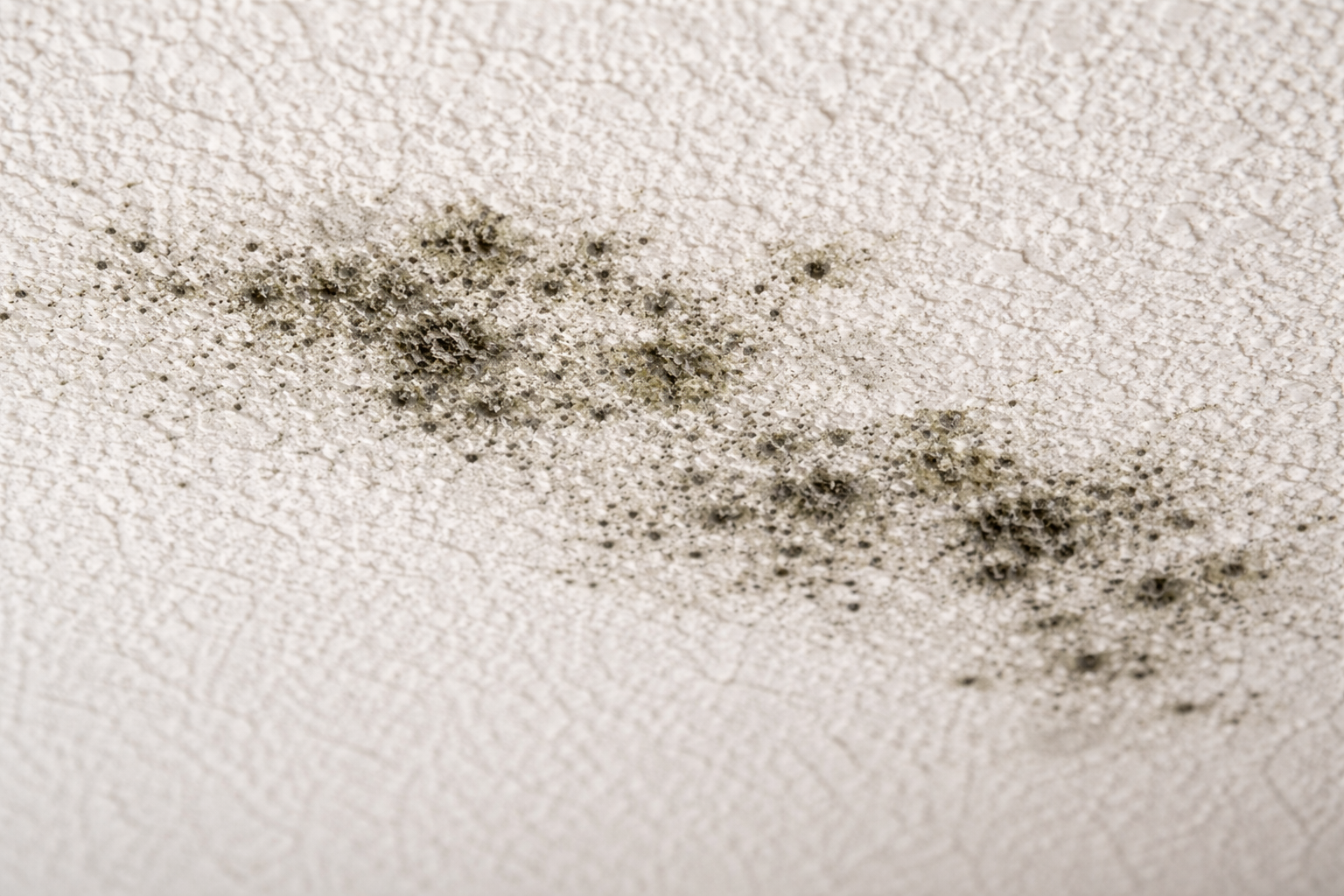
In the Pacific Northwest, rain is part of life — but rain alone does not cause indoor humidity problems. Homes and apartments are not naturally humid places, and they do not create moisture on their own.
Indoor humidity comes from everyday living. Understanding that distinction is the key to preventing condensation, water damage, and mold.
This article explains what humidity is, the most common symptoms we see, what actually causes them, and how to address issues early before they turn into bigger problems.
HUMIDITY IN THE PACIFIC NORTHWEST: A COMMON MISUNDERSTANDING
It’s easy to assume that rain or damp weather is the reason moisture shows up inside. In reality, even during rainy weather, indoor humidity is usually higher than outdoor humidity because moisture is being generated inside the home.
Homes and apartments don’t produce humidity. People do.
Activities like showering, cooking, laundry, and even breathing release moisture into the air. If that moisture isn’t vented out effectively, it settles on cooler surfaces as condensation.
EARLY WARNING SIGNS OF HIGH HUMIDITY
These signs usually appear before damage occurs:
Condensation on windows or window frames
Moisture collecting in window tracks
Water droplets forming on toilet tanks and dripping onto the floor
Damp areas on walls or ceilings
Moisture around bathroom exhaust fans
Condensation on windows is one of the earliest and most reliable warning signs that indoor humidity is too high.
COMMON ISSUES THAT LOOK LIKE LEAKS (BUT USUALLY AREN’T)
We receive many maintenance requests that appear serious but are actually humidity-related.
“My toilet is leaking.”
In many cases, this is condensation. Cold water enters the toilet tank from outside the home. When that cold water cools the porcelain tank, moisture in the air condenses on the surface and drips onto the floor. The toilet itself is not leaking.
“The bathroom fan is leaking water.”
Warm, humid air rises into the exhaust vent. When it meets colder ductwork — especially in winter — condensation can form inside the vent pipe and drip back down through the fan cover.
“There’s a roof leak around the bathroom fan.”
Often, this is not a roof issue. It’s condensation forming inside or around the vent pipe due to excess indoor humidity.
“Water is coming in around the windows.”
Many window “leaks” are actually condensation forming on the glass and frames, then running down into the tracks. This is especially common when indoor humidity is elevated.
Understanding the cause is important, because fixing humidity prevents these issues from repeating.
WHAT ACTUALLY CAUSES INDOOR HUMIDITY?
Everyday activities add moisture to the air:
Showering and bathing
Cooking
Washing dishes
Laundry and drying clothes
Houseplants, fish tanks, and water bowls
Breathing and body moisture
Humidity is normal. Unmanaged humidity is the problem.
TARGET TEMPERATURE AND HUMIDITY LEVELS
To reduce condensation and mold risk:
Keep indoor humidity below 60%
Maintain indoor temperatures between 50°F and 80°F
Staying within these ranges greatly reduces moisture buildup on cool surfaces.
HYGROMETERS: A SIMPLE, EFFECTIVE TOOL
A hygrometer measures indoor humidity and removes guesswork.
Inexpensive and widely available
Place in main living areas and near bathrooms
Use it to catch rising humidity early, before condensation starts
This small tool can prevent many common moisture-related issues.
PREVENTION HABITS THAT MAKE A REAL DIFFERENCE
Daily habits matter more than people realize:
Use bathroom exhaust fans during showers and run them longer afterward
Use kitchen exhaust fans while cooking
Wipe moisture from windows, toilet tanks, and surfaces
Hang towels so they dry completely
Leave space between furniture and walls for airflow
Do not block HVAC vents
Use ceiling fans when available
Do not use humidifiers
Even in rainy weather, ventilation is critical to keeping indoor moisture under control.
WHEN DEHUMIDIFIERS MAY BE NECESSARY
Sometimes ventilation alone isn’t enough, particularly in winter or in high-use households.
Dehumidifiers remove moisture directly from the air and can be very effective. When needed:
Residents are responsible for purchasing and safely operating the unit
Regular emptying and maintenance are required
Dehumidifiers help keep humidity within acceptable limits and prevent recurring problems
CLEANING VS. REPORTING MOLD: “TREAT IT LIKE DIRT”
A mold professional once put it simply:
Treat mold like dirt.
If it’s small and on the surface, clean it promptly using appropriate cleaning products
Wear gloves and ventilate the area while cleaning
Dispose of moldy items promptly
If mold cannot be cleaned, keeps coming back, or continues to spread, it should be reported so further action can be taken.
This approach keeps issues manageable and prevents unnecessary escalation.
WHEN TO CONTACT US
Please contact us if you notice:
Active leaks
Persistent moisture after improving ventilation
Exhaust fans that are not working properly
HVAC, laundry, door, or window failures
Mold that cannot be cleaned or that keeps recurring
Early reporting protects the home and helps prevent larger repairs.
RESPONSIBILITY, PREVENTION, AND PROTECTING YOUR HOME
Managing humidity is part of normal household care. Damage caused by unmanaged moisture can become a resident responsibility, which is why early action matters.
Our goal is prevention — addressing issues early protects the home, avoids disruption, and keeps small problems from becoming expensive ones.
THE TAKEAWAY
Humidity issues are usually preventable.
Monitor moisture.
Ventilate consistently.
Run fans longer than you think you need to.
And remember:
Treat mold like dirt — clean it up. If you can’t clean it, or it keeps coming back, report it.
That simple mindset goes a long way toward keeping your home dry, healthy, and comfortable — even in the Pacific Northwest.