
A Practical, Numbers-Driven Look at Cash Flow, Risk, and Enforcement.
Most owners have heard the same cautionary stories about pets in rental housing. Floors scratched beyond repair. Trim chewed. Odors that linger. Those stories are real, but they are incomplete. What is discussed far less often are the many cases where allowing pets results in faster leasing, higher income, and no meaningful increase in long-term risk when the property is managed correctly.
This article is not about minimizing responsibility or ignoring potential issues. It is about how pet policies function in practice when inspections, documentation, and enforcement are part of the system — particularly for owners of long-term rentals in Beaverton, where demand, pricing pressure, and enforcement standards require a more disciplined approach to property management.
DEMAND HAS SHIFTED
Nearly 60 percent of renters nationally report having at least one pet, up from about 46 percent before the pandemic, according to recent Zillow data. When a home is listed with a strict no-pet policy, the applicant pool narrows significantly. Fewer applicants generally means longer vacancy times and less leverage during screening.
Pet-friendly homes attract a larger, more motivated pool of renters. These applicants often move faster and are willing to pay more for a property that accommodates their household, pets included.
SPEED TO RENT IS A FINANCIAL ISSUE
Vacancy is one of the most expensive costs in rental ownership. Lost rent during vacancy is never recovered. Allowing pets is one of the most consistent ways to reduce that loss.
Pet-friendly homes typically rent two to three weeks faster than comparable no-pet listings, which we routinely see confirmed in a local rental analysis.
Three-bedroom, two-bath single-family home
Market rent without pets: $2,800 per month
Daily rent value: approximately $93
If allowing pets reduces vacancy by 2.5 weeks, or 17.5 days, approximately $1,628 in rent is preserved. That is real cash in your pocket that would otherwise be lost to vacancy.
PET RENT CREATES CONSISTENT INCOME
Pet rent is not a deposit and is not refundable. It is monthly income collected for the duration of the lease.
Using the same example:
Base rent: $2,800 per month
Pet rent set at 3 percent
Monthly pet rent: $84
Over a three-year lease term, this results in $3,024 in additional income. Combined with reduced vacancy, the total financial benefit approaches $4,650 under conservative assumptions.
RISK MANAGEMENT DOES NOT STOP AT DEPOSITS
Concerns about pet damage are reasonable, but they are often overstated when viewed outside of a management framework.
Pet-related risk is addressed through the same mechanisms used for all tenant-caused damage:
Additional pet deposits
The standard security deposit, which may also be applied to pet damage
Clear lease language
Inspection documentation
Enforcement and collections when necessary
Pet damage is not isolated or protected. It is treated as part of the overall condition of the property.
In practice, unresolved issues are rarely caused by the mere presence of a pet. They are almost always the result of lack of follow-through by the tenant, which is addressed through the same enforcement process used for any other lease violation.
HOW VIOLATIONS ARE ACTUALLY HANDLED
A common follow-up question from owners is what happens if a tenant’s pet becomes a problem. This is where inspections and enforcement matter more than the pet policy itself.
We require at least one interior inspection per year and offer the option of two annual inspections if an owner prefers additional oversight. These inspections allow us to identify issues early, before minor problems become expensive ones.
If we observe pet-related damage, unsanitary conditions, or disturbances, the response follows a structured progression.
For minor issues, such as noise complaints or failure to clean up pet waste, communication often begins verbally. These conversations are typically sufficient to resolve the issue.
If damage is observed or issues continue, we move to written notices that outline the violation, required corrective action, and a deadline for compliance.
In more serious cases, or when a violation is repeated, formal notices may require the tenant to repair damages, remove the animal, or both.
In extreme situations, the lease may be terminated if the tenant fails to comply.
This process is not theoretical. It is how violations of all types are handled, whether related to pets or not.
Over thirteen years of managing residential rentals, we have not had to terminate a lease solely due to pet damage. Issues are almost always resolved earlier in the process through communication, documentation, and clear expectations.
This is why inspections, documentation, and enforcement are not optional extras in our management model. They are how risk stays small.
BREED RESTRICTIONS AND PRACTICAL POLICY
Blanket breed restrictions are becoming less common across the industry. Behavior, training, and owner responsibility are more predictive of outcomes than breed alone. Many restrictions originate from insurance requirements rather than operational experience.
Insurance requirements vary by carrier and policy. When restrictions exist, they are followed. When they do not, flexibility allows the property to rent faster without increasing insured risk.
WHY “NO PETS” OFTEN CREATES MORE PROBLEMS
Owners who prohibit pets are usually trying to reduce risk. In practice, that decision often increases vacancy, reduces applicant quality, and creates pressure during leasing decisions.
Pet-friendly homes tend to lease faster, generate more consistent income, and provide stronger applicant pools. When inspections and enforcement are in place, the additional risk is manageable and rarely material.
Pet policies are not about saying yes or no. They are about controlling outcomes.
CLOSING THOUGHTS
Allowing pets is not about optimism or leniency. It is about understanding how rental housing actually performs over time. Faster leasing, predictable pet rent, and structured enforcement consistently outweigh the perceived risks when the property is managed professionally.
Using the conservative example outlined above, allowing a pet resulted in approximately $4,600 in additional income over a three-year period through reduced vacancy and pet rent alone. Even in a true worst-case scenario, where carpet replacement or repairs were required at move-out, those costs would first be offset by the additional pet deposit and the standard security deposit. If damages exceeded deposits and collections were unsuccessful, the owner would still have realized several thousand dollars in net additional income simply by allowing the pet in the first place.
That framing matters. It allows owners to evaluate risk rationally rather than emotionally. Even when imagining the downside, the math often shows that the owner still comes out ahead.
The outcomes that matter most in rental housing are rarely dramatic. They show up quietly in reduced vacancy, steadier income, and fewer forced compromises. That is where well-designed pet policies tend to earn their place.
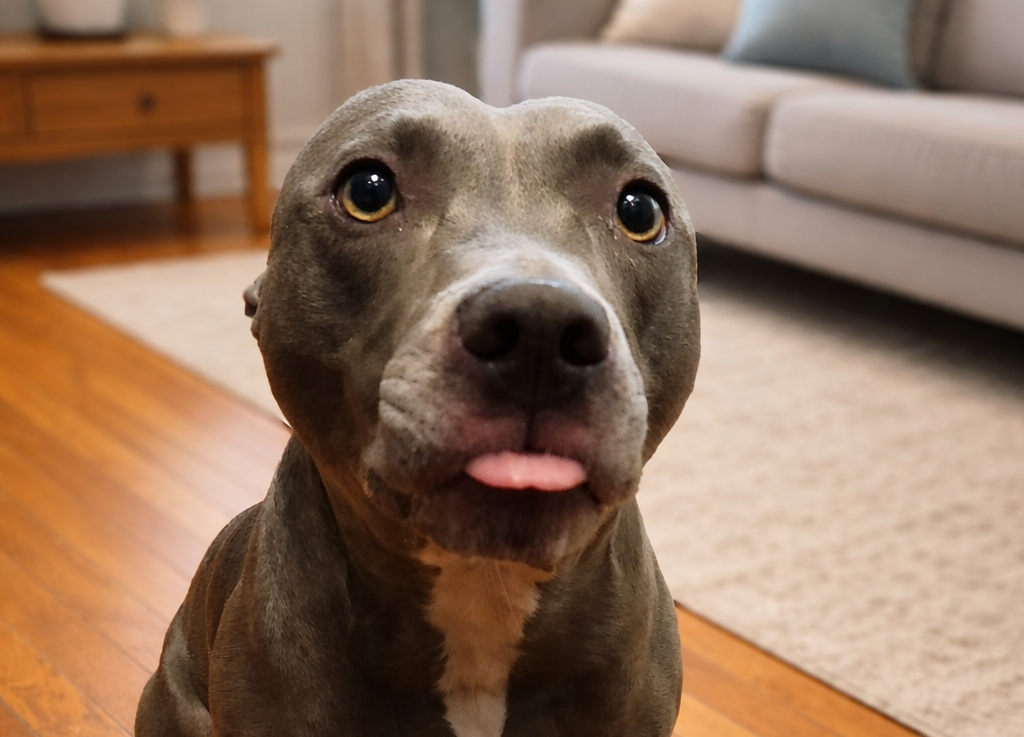
P.S. And yes—the ferocious pit bull you see at the top of this article is mine. His name is King Chewcipher. He enjoys lots of snuggles, his weight doubles when he’s asleep, and he is afraid of raindrops and sneezes.