Most rental property owners want the same outcome: a well-maintained home, a respectful relationship with the people living there, and a tenancy that runs smoothly from start to finish. When a resident reaches out directly with a question or concern, it feels natural to respond. It’s your property, and the instinct to be helpful usually comes from a good place.
What is less obvious is how easily those well-intended conversations can create risk. Residential property management relies on structure, documentation, and consistency. Even a friendly, casual exchange can unintentionally contradict the lease, shift responsibility, or create expectations that are difficult to unwind later. This is why professional property management depends on centralized communication. It isn’t about limiting involvement. It’s about protecting the enforceability of the lease and, ultimately, the investment itself.
A Real Example That Changed How We Operate
Earlier in our company’s history, before we implemented the communication safeguards we use today, we worked with a long-time owner whose residents had also been in place for many years. At that time, the owner occasionally handled small projects personally and communicated directly with the residents during those visits.
During one of those interactions, the residents asked if they could replace the refrigerator with one of their own. The owner agreed, believing it was clear that the original refrigerator would be reinstalled at move-out.
Years later, when the tenancy ended, the original refrigerator was gone. In its place was a heavily worn, inexpensive unit the residents had purchased themselves. When the issue was raised, the residents stated that the owner had given them permission to dispose of the original appliance entirely. The owner remembered the conversation very differently.
The problem was not intent. The problem was proof. Because the agreement had been made privately, without the property manager present and without documentation, there was no way to establish what had actually been agreed to. Under Oregon law, security deposit deductions must be supported by clear, verifiable evidence. A verbal agreement recalled differently by each party does not meet that standard. The owner absorbed the cost.
That situation fundamentally changed how we operate. It made clear that even reasonable, well-meaning conversations can create ambiguity that leaves everyone exposed.
Why Direct Owner Communication Undermines the Lease
Property managers operate under agency law. We act on the owner’s behalf, and our authority is tied to the lease and the management agreement. However, the owner’s words carry equal weight. If a resident reasonably believes the owner approved something, that belief can become legally relevant even if it contradicts the written lease.
This is known as apparent authority. Once it enters the picture, enforcement becomes more complicated and outcomes become less predictable. This isn’t about fault or blame. It’s about how landlord-tenant law functions in practice and how easily informal communication can alter expectations.
Documentation Is Risk Management, Not Bureaucracy
Professional property management systems exist to preserve clarity and enforceability. Centralized communication ensures that decisions can be enforced later, security deposit deductions can withstand scrutiny, and insurance claims can be supported with clear timelines and records.
When communication happens outside that system, those protections weaken. Verbal agreements are difficult to prove. Private conversations rarely meet legal standards. Even small inconsistencies between owner and manager communication can create confusion or conflict later.
None of this requires bad intent. It only requires normal human communication filtered through stress, hope, or misunderstanding.
Where This Breaks Down First: Money and Maintenance
When rent becomes late or households experience financial stress, references to prior owner conversations often appear. Statements like “the owner said we could pay late” or “she told us the fee would be waived” may be misunderstandings or may be entirely inaccurate. The issue is that once they are introduced, the process becomes slower, riskier, and more expensive. A property manager cannot confirm or refute conversations they were not part of.
Maintenance issues follow a similar pattern. When residents report concerns directly to owners, they may delay formal reporting after receiving reassurance. The property manager may never receive the information at all. Small problems then become large ones, and accountability becomes difficult to establish.
Why Centralized Communication Protects Everyone
Routing communication through the property manager creates a single, reliable source of truth. Owners are protected from informal agreements undermining the lease. Residents receive consistent, predictable responses. Decisions remain documented, enforceable, and aligned with the written agreement.
This structure does not remove owners from the process. It shields them from unnecessary risk.
What to Do If a Resident Contacts You Directly
A simple, consistent response works best:
“Thanks for reaching out. Please contact Profound Properties so they can assist. They handle all communication and decisions for me.”
Forward the message, and we take it from there.
Final Thought: The Lease Is Evidence — Protect It Like Evidence
The simplest way to understand why owners should not communicate directly with residents is to think about how disputes are actually resolved.
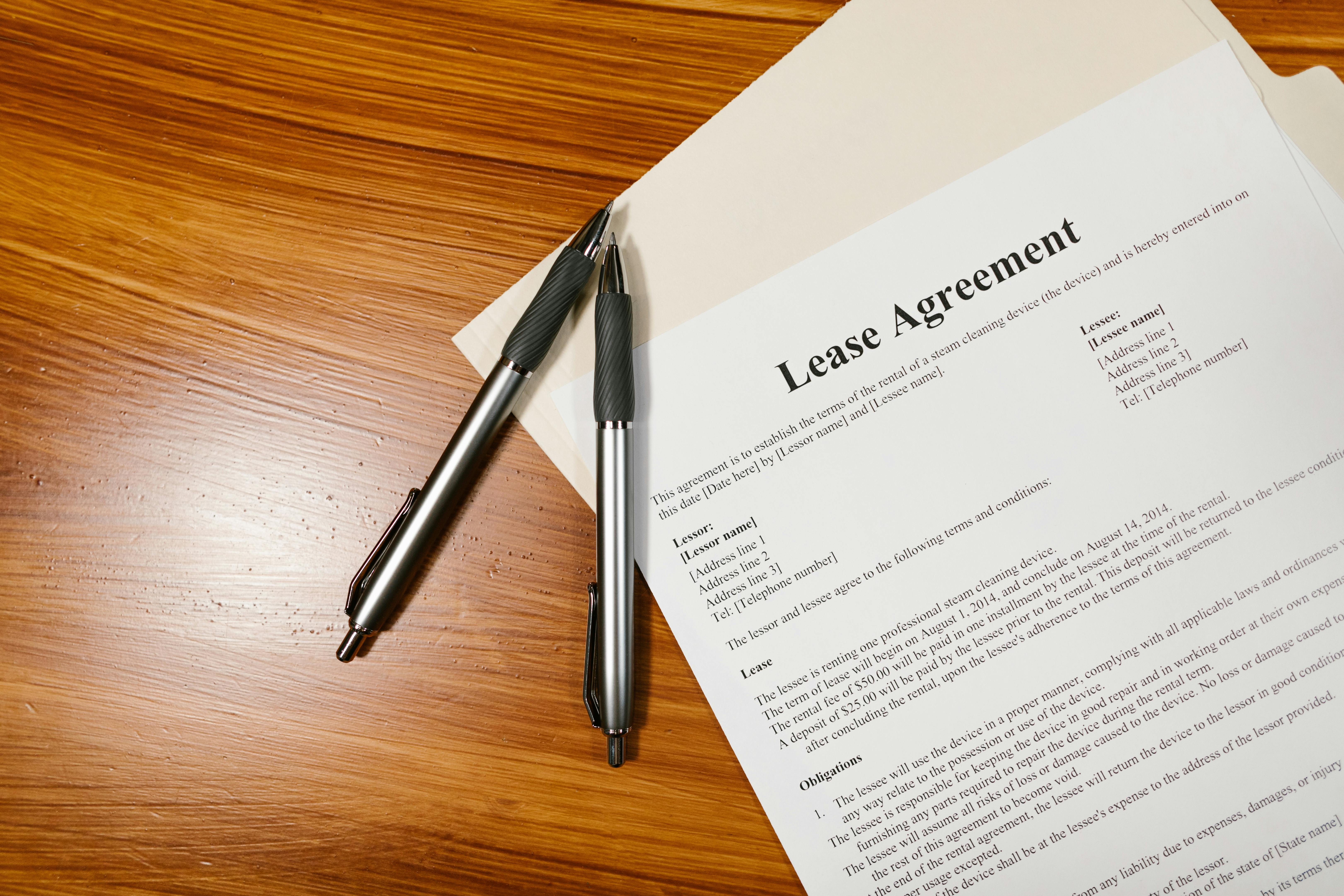
If a disagreement ever escalates to a legal setting, the lease becomes evidence. It is not a guideline. It is not a reference point. It is the core piece of proof that determines rights, responsibilities, and outcomes.
Like any piece of evidence, its value depends on chain of custody.
The lease must be signed, enforced, and administered in a controlled, consistent way so there is no question that it represents the governing agreement between the parties. When communication flows through the property manager, that chain of custody remains intact. Decisions are documented. Approvals are recorded. Enforcement aligns with the written terms.
When an owner speaks directly to a resident about lease-related issues, that control is lost.
A private conversation becomes an untracked modification. A casual reassurance introduces doubt. A well-intended comment creates ambiguity about whether the lease still governs the situation. From a legal standpoint, that is no different than mishandling evidence. Once the chain of custody is broken, the integrity of the evidence is questioned.
In the worst cases, portions of the lease can effectively become unreliable or disregarded altogether—not because the lease was poorly written, but because it no longer reflects what the resident reasonably believes was approved.
Courts do not decide cases based on intent or memory. They decide them based on what can be proven. Written leases, documented approvals, dated records, and consistent enforcement are evidence. Verbal conversations are not.
This is why professional property management insists on centralized communication. It is not about control for its own sake. It is about preserving the enforceability of the lease, protecting the owner’s financial position, and keeping the tenancy stable and predictable for everyone involved.
Good intentions do not protect an investment. Structure does.