Resident Responsibilities in a Rental Home: What You’re Responsible For (and Why It Matters)
When you rent a home, you’re taking on more than just a monthly payment. You’re also accepting responsibility for certain aspects of the home’s day-to-day care. Understanding those responsibilities helps prevent confusion, keeps small issues from turning into larger ones, and makes it easier for everyone involved to have a smooth rental experience.
This article is meant to be a practical guide outlining common resident responsibilities in a rental home. These guidelines help clarify what falls to the resident, what should be reported, and when it’s best to pause and ask before taking action.
A Simple Way to Think About Resident Responsibilities
Most resident responsibilities fall into two categories:
Replacing everyday, consumable items
Reporting issues promptly rather than attempting repairs
Residents are not expected to perform repairs or make modifications to the home. However, there are routine items and habits that fall under resident care, along with situations where reporting early makes a meaningful difference.
Smoke & Carbon Monoxide Alarms
You are responsible for helping ensure that smoke and carbon monoxide alarms remain operational during your tenancy.
This includes:
Testing alarms regularly (at least every six months)
Replacing batteries as needed
Reporting any alarms that malfunction, chirp continuously, or fail to test properly
Not tampering with, disabling, or removing alarms
These devices are critical safety features. If an alarm isn’t functioning as it should, reporting it promptly allows the issue to be addressed quickly and helps keep the home safe.
As a general safety guideline, if an alarm is located more than 10 feet off the ground or requires special equipment to access, it should be reported rather than handled personally.
Batteries & Light Bulbs
You are responsible for replacing standard household batteries as needed, including those used in smoke alarms, carbon monoxide alarms, thermostats, and similar devices.
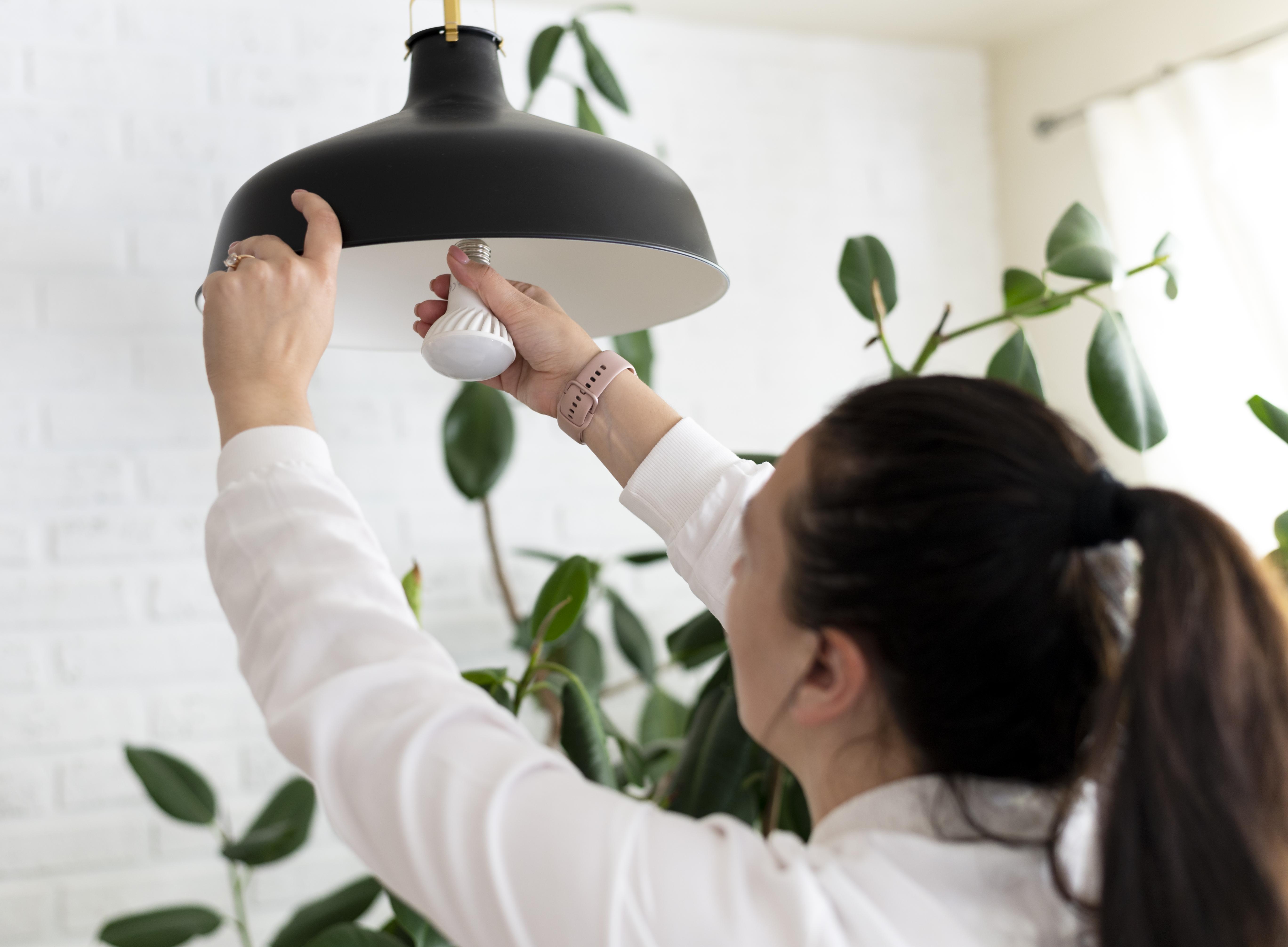
You are also responsible for replacing standard light bulbs throughout the home, with one important exception: fixtures that are more than 10 feet high.
We do not expect residents to have specialty ladders or take safety risks. If a bulb or battery is located in a high or hard-to-reach area, report it instead of attempting to access it.
Filters: Furnace & Refrigerator
You are responsible for changing filters in the home, including furnace filters and refrigerator water filters, if applicable.
In most homes, furnace filters should be replaced approximately every three months. In many cases, filters are delivered directly to the home based on the system’s requirements. When a filter arrives, it should be installed promptly.
Regular filter changes are important because restricted airflow can:
Reduce system efficiency
Increase wear on equipment
Contribute to system issues over time
If a filter is difficult to access, located more than 10 feet off the ground, or you’re unsure how to install it properly, report the issue so it can be addressed safely.
Clogs & Garbage Disposals
Plumbing systems and garbage disposals are designed for normal use — not for grease, wipes (even those labeled “flushable”), hygiene products, food scraps that shouldn’t be ground, or foreign objects.
You are responsible for:
Using drains and garbage disposals properly
Avoiding items that commonly cause clogs
Reporting slow drains or disposal issues early
A drain that is slow or a disposal that isn’t functioning properly is often much easier to address when reported right away. Waiting until a blockage becomes severe can lead to backups and water damage.
Reporting Issues Early Is One of Your Most Important Responsibilities
If something doesn’t seem right, report it — even if it feels minor.
This includes:
Drips or leaks
Running toilets
Moisture or condensation buildup
Water stains
Appliances not working as expected
Unusual smells or sounds
Anything that looks or feels off
Small issues are usually straightforward to address when reported early. When issues go unreported, they can worsen over time and become more disruptive. Prompt reporting allows problems to be addressed efficiently and helps protect the home overall.
Minor Troubleshooting vs. Repairs
In some situations, you may be asked to assist with very minor troubleshooting — such as pressing a reset button on a garbage disposal, checking a breaker, or resetting a GFCI outlet. These steps can sometimes resolve simple issues quickly.
Beyond that level of basic troubleshooting, repairs, modifications, or disassembly are not resident responsibilities and should not be attempted.
Please Don’t Fix Things Yourself
Even well-intended fixes can create unintended problems.
You should not:
Make plumbing modifications (including bidets or changes to supply lines)
Perform electrical work (including doorbells or smart doorbell installations)
Repair appliances, fixtures, or systems
Alter wiring, valves, or connections
Once a resident has worked on an item themselves, it becomes difficult to determine whether future issues are the result of normal wear or prior alteration. That uncertainty complicates repairs and can delay proper resolution.
If something needs attention, the best approach is always to report it and allow repairs to be handled through the appropriate channels.
Alterations & Modifications
Any changes to the home require approval before work is performed.
This includes:
Painting
Installing fixtures or equipment
Modifying plumbing or electrical components
Adding or removing hardware
If you’re unsure whether a change is allowed, ask first. Getting clarification ahead of time helps avoid problems later.
Pests
After move-in, residents are responsible for maintaining a clean living environment and reporting pest concerns promptly.
If you notice signs of pests, report them early. Addressing issues at the first sign helps prevent larger infestations and allows for proper treatment.
Moisture & Ventilation Awareness
Everyday activities such as cooking, bathing, washing clothes, and breathing all contribute to indoor humidity. Using ventilation, wiping condensation, and reporting leaks promptly are important habits that help keep the home in good condition.
If you notice persistent moisture, condensation, or ventilation concerns, those should be reported so they can be evaluated and addressed appropriately.
When in Doubt, Report It
If there’s one takeaway from this guide, it’s this: you are not expected to fix things, but you are responsible for reporting them.
Reporting concerns early allows issues to be handled properly, keeps the home in good condition, and prevents unnecessary complications. If you ever have questions, it’s always better to ask before taking action.
A Quick Note on Your Lease
This article is intended as general guidance to help explain common resident responsibilities. Your signed lease and any addenda are the official agreement and may include additional details specific to your home. If anything here is unclear, please refer to your lease or reach out for clarification.